
More Metacognition
Learning more about thinking …
Do our thoughts shape our reality?
Our thoughts have a significant influence on our perception and interpretation of reality, as well as our attitudes, beliefs, and actions. While our thoughts alone may not directly shape the physical aspects of reality, they play a crucial role in how we navigate and respond to the world around us.

Feelings shape thoughts in several ways

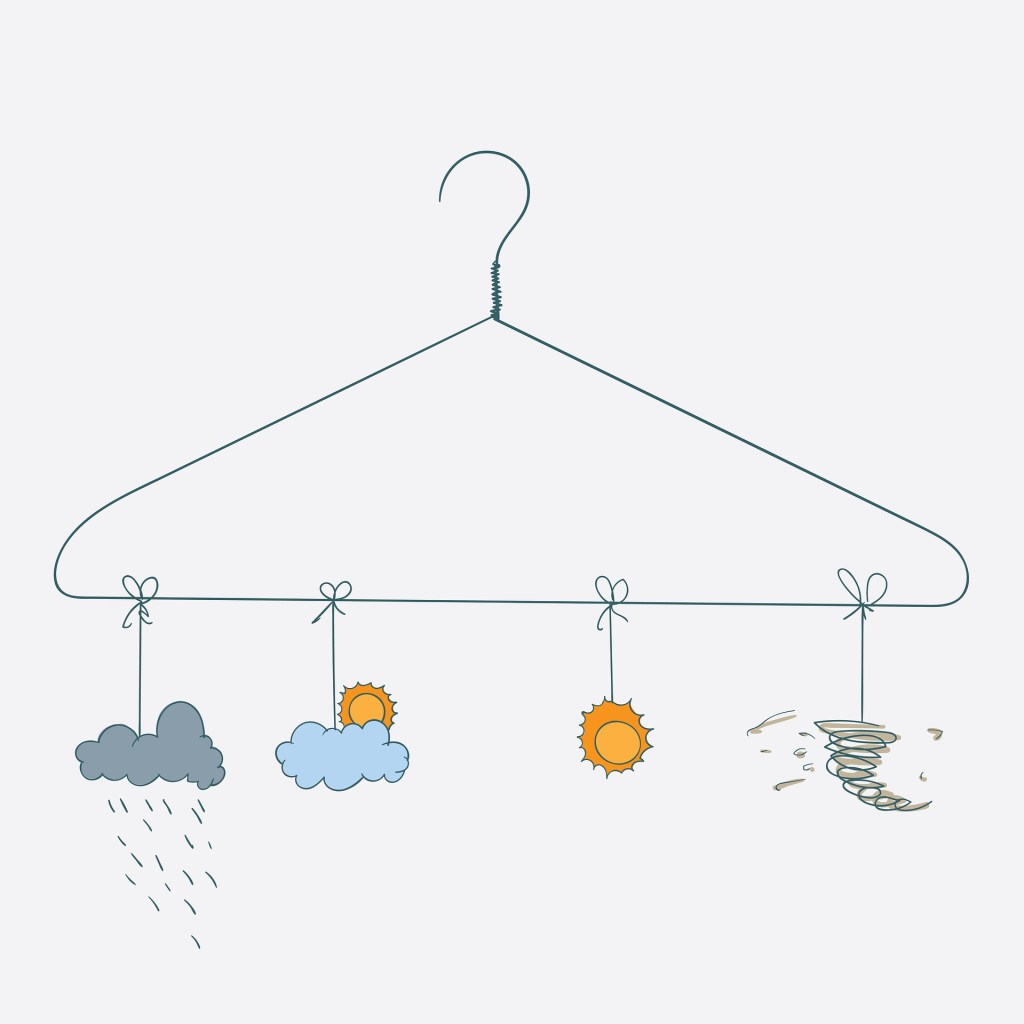
If we feel anxious, we are more likely to think about potential threats. If we feel happy, we may see opportunities or pleasant details in our environment. Our emotional states also influence how we interpret events. For example, a neutral comment may feel like criticism if we are feeling tired and insecure; or a small setback may feel devastating if we are feeling feel hopeless. Thoughts of shame may lead to thoughts like “I am not good enough.” Feeling safe and valued can support thoughts like “I can handle this.”
It is important to be aware of feelings as emotions act as signals about what is important, helping to prioritise and choose actions in line with our needs and values.
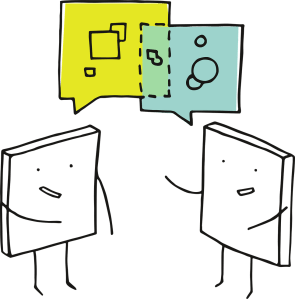
‘Thinking about thinking’ is a good way to describe metacognition. The ability to be able to think about our thoughts, reflect on them, can help us understand how our feelings and emotions influence our actions. This can help us adapt our thinking, based on our experiences to improve our wellbeing. Things like mindfulness, self-awareness, and positive thinking, can lead to a more fulfilling reality for ourselves and those around us. We can be more aware of ourselves, attuned to others, and mindful of all the information around us.
This is important as we are surrounded by more and more information than ever before. However, having access to information does not mean we always fully understand it, or use it effectively. While knowledge and opinions may be readily available, critical thinking, analysis, and discernment, are still necessary to fully grasp and utilise everything is available to us. Living in a world where knowledge and opinion is now so easily accessible has advantages. It empowers us to take control of our learning and expand our understanding of the world.
However, it is necessary to approach the abundance of information thoughtfully, using critical thinking skills. This can help us take care of ourselves, and those around us, in a more mentally and physically sustainable way. It becomes more crucial to develop skills such as information evaluation, fact-checking, and critical reasoning, so we can navigate the vast amount of information and opinion available to us. Then we may more easily separate reliable sources from misinformation, fact from opinion, and form well-rounded perspectives which helps us take care of our wellbeing.

Do you need any guidance about thinking? Would you benefit from some to help make sense of things that may be going on in your life? Whether you would like a one-off trouble shooting conversation, or a series of discussions to work through a larger issue, please get in touch for a confidential conversation.
© More Metacognition Ltd 2025. All rights reserved.
 More Metacognition