More Metacognition is an umbrella for a number of ways to share the value of thinking about thinking. As we are evolving, we need to take care of our brains in the same way we take care of our bodies. Research shows that we are influenced by our genetic heritage, as well as our environment. Further, the recent field of epigenetics, suggests we can influence and modify our genes in our lifetimes. This is not only about watching what you consume – yes blueberries are great sources of nutrition for your brain – but also watching what, and how you think. The ways we think can influence the way our brain develops, in the same way as physical exercise helps your body.
Therefore, we can use our thinking to our advantage, in our personal lives, at school and at work. To do this, we need to understand how it works from a psychological, as well as a neurological, perspective. Growing amounts of research show that the way we deal with our environmental influences (such as stress) may influence how our brains develop, and predict the risk of developing neurodegenerative problems as we grow up/grow older.
How we manage and cope with our environmental influences depends a lot on how (and what) we think, just saying ‘look on the bright side’ may not be enough. Whilst maintaining a positive attitude is valuable to wellbeing, learning more about our unique thinking processes and patterns can help us think through the difficult times and minimise levels of stress and anxiety.
Working with More Metacognition can help to build better thinking through one, or more, consultations that will help you to understand more about your own metacognitive processes. This can help you to apply metacognitive skills to the areas of your life you feel would make a difference, and help you to achieve the goals you desire.
A bit more about Metacognition…
What are the 5 metacognitive skills?
1) monitoring,
2) regulating and controlling,
3) planning,
4) self-evaluating and
5) reflecting.
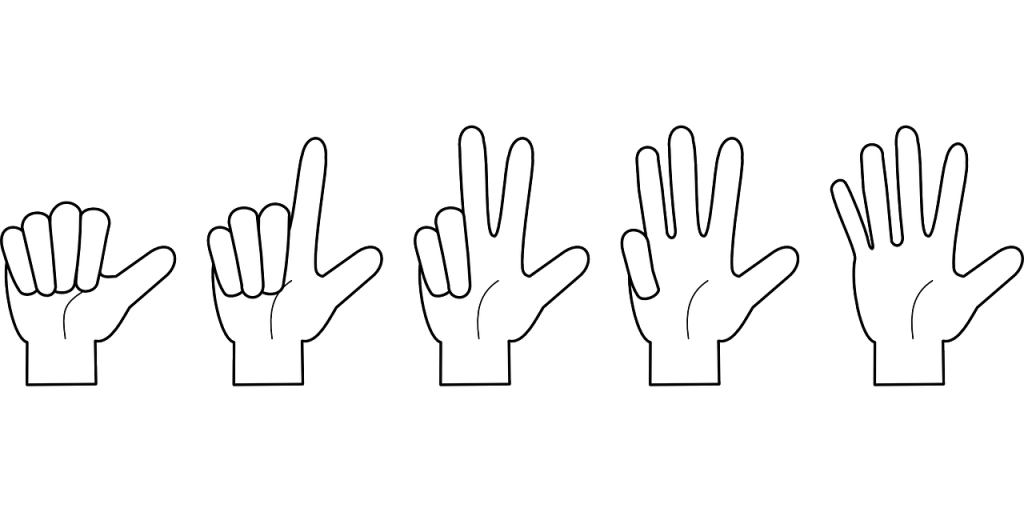
- Monitoring involves actively reflecting on one’s thoughts and actions while engaged in a task.
- Regulating and controlling refers to the ability to adjust cognitive strategies when faced with new information or challenging tasks.
- Planning involves being able to set goals for oneself and break down tasks into smaller components in order to effectively manage time and resources.
- Self-evaluating involves assessing one’s performance after completing a task or assignment in order to improve future performance.
- Reflecting is the ability to think back on past experiences and identify what was learned from them as well as how it could be applied in the future.
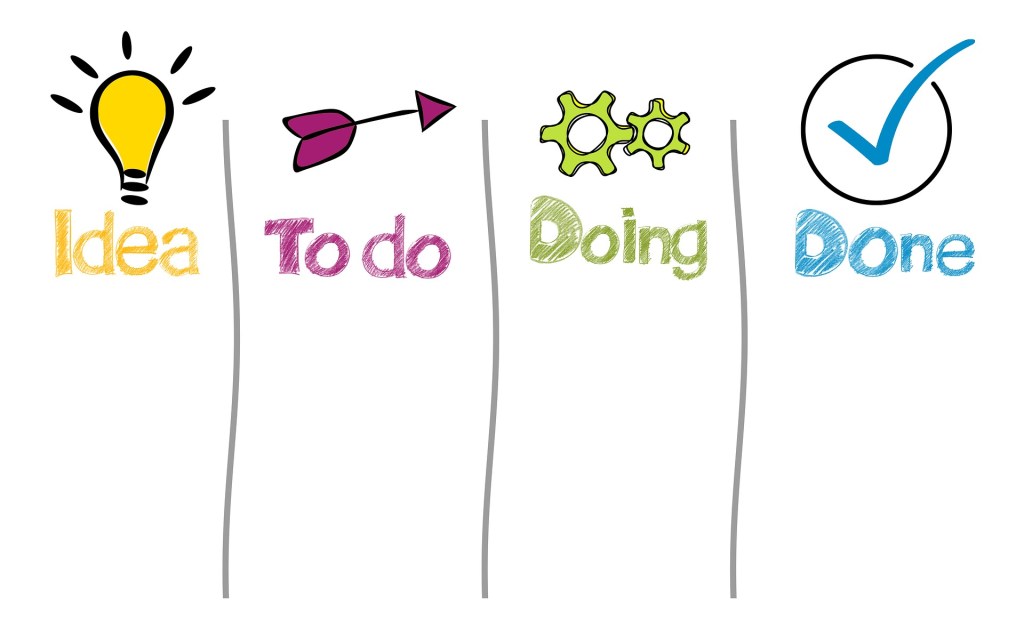
All of these skills are essential for successful metacognition and can help us become more successful in many areas of our lives. Implementing effective strategies for self-reflection, goal setting, and time management are essential for staying focused and improving performance.
Additionally, we can become more aware of the strategies we use and how effective they are. We can then adjust them if necessary, practicing and developing these skills can help us improve our personal relationships, academic performance, and work life. This enables us to become the unique person we were born to be.


© More Metacognition Ltd 2025. All rights reserved.
 More Metacognition